
Während sich ein weiteres Jahr entfaltet, MAX Groups Marine strebt weiterhin nach vorne und liefert hochwertige Marineprodukte, Abschluss von Projekten auf der ganzen Welt, und ein genaues Auge auf die Branchentrends zu haben, die die Zukunft des Schiffbaus und der maritimen Betriebe weltweit prägen.
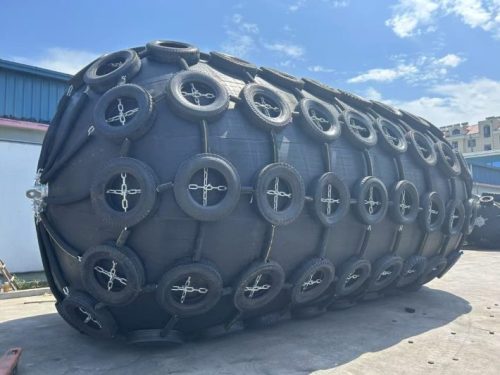
In den Vorjahren, Unser Team hat zu mehreren Schiffbau- und Schiffsstartprojekten in ganz Asien beigetragen, Europa, Nordamerika, dem Nahen Osten, und darüber hinaus. Wir haben mit Werften unterschiedlicher Größe zusammengearbeitet, Bereitstellung von Ausrüstung und Beratungsunterstützung vor Ort – von Gummifendern und pneumatischen Fendern bis hin zu Airbags zum Starten von Schiffen, Schiffswinden, und Baggerschläuche. Während wir durchgehen 2026, Die Schifffahrtsindustrie entwickelt sich weiterhin rasant weiter, mit mehreren wichtigen Trends und Entwicklungen, die die Zukunft prägen.
1. Grüner Schiffbau: Die Schiffbauindustrie steht unter wachsendem Druck, die Umweltauswirkungen von Schiffen zu reduzieren. Angetrieben durch IMO-Emissionsziele, Schiffbauer beschleunigen ihre Umstellung auf emissionsarme Schiffskonstruktionen. LNG-betriebene Schiffe sind zum dominierenden Übergangskraftstoff geworden, SOx wird drastisch reduziert, NOx, und Partikelemissionen im Vergleich zu herkömmlichem Schweröl. Mehr als 30% der weltweiten Neubestellungen von Schiffen umfassen inzwischen Designs, die für umweltfreundliche Treibstoffe geeignet sind. Jenseits von LNG, Methanol, Wasserstoff, und Ammoniak sind die Kraftstoffe der nächsten Generation, von denen erwartet wird, dass sie die Vergangenheit der Branche verändern werden 2030. Dieser verstärkte Fokus auf Nachhaltigkeit und Effizienz wird der Branche helfen, der Zeit voraus zu sein und den sich ändernden Marktanforderungen gerecht zu werden.
2. Schiffbau im asiatisch-pazifischen Raum: China, Südkorea, und Japan bleiben die unangefochtenen Spitzenreiter bei der weltweiten Schiffbauproduktion, Sie machen den Großteil der Neubestellungen von Schiffen aus. China ist weiterhin führend bei Containerschiffen, Massengutfrachter, und Tanker, während Südkorea auf hochwertige LNG-Tanker und Offshore-Schiffe spezialisiert ist. Japan behält seinen Ruf für Präzisionstechnik und Kraftstoffeffizienz bei. Malaysia und Indonesien sind ebenfalls wachsende Akteure, Schaffung einer steigenden regionalen Nachfrage nach hochwertigen Schiffskomponenten und -ausrüstungen. Werften im asiatisch-pazifischen Raum investieren stark in Automatisierung und Digitalisierung, um die Produktionsgeschwindigkeit und -qualität zu verbessern.
3. Häfen und Hafeninfrastruktur: Häfen spielen eine wichtige Rolle im globalen Schifffahrtsnetzwerk und sind für den effizienten Warenverkehr von entscheidender Bedeutung. Die Nachfrage nach effizienteren und nachhaltigeren Hafenbetrieben wächst, Förderung erhöhter Investitionen in die Hafeninfrastruktur – einschließlich der Entwicklung neuer Terminals, Erweiterung bestehender Anlagen, und Implementierung automatisierter Frachtabfertigungssysteme. Dieser verstärkte Fokus auf Häfen wird der Schifffahrtsindustrie helfen, sich ändernden Marktbedingungen gerecht zu werden und wachsende Handelsvolumina weltweit zu unterstützen.
4. Digitalisierung und KI: Künstliche Intelligenz und digitale Werkzeuge werden zunehmend in die Gestaltung von Schiffen integriert, gebaut, und operiert. KI-gestützte Simulationen reduzieren Konstruktionsfehler und verkürzen die Produktionszeit. Mit der digitalen Zwillingstechnologie können Betreiber die Schiffsleistung simulieren und Wartungsarbeiten aus der Ferne planen. Über 35% der Werften integrieren jetzt KI-gesteuerte Systeme zur Überwachung und vorausschauenden Wartung. Auch modulare Bauweisen sind auf dem Vormarsch, Dies ermöglicht eine schnellere Montage und eine strengere Qualitätskontrolle für alle Schiffstypen.
5. Marine- und Verteidigungsschiffe: Geopolitischer Druck auf der ganzen Welt hat dazu geführt, dass viele Nationen ihre Investitionen in ihre Marineflotten erhöhen. Der Bau von Verteidigungsschiffen macht inzwischen mehr als aus 20% der weltweiten Werftproduktion, mit bedeutenden Aufträgen der Vereinigten Staaten, Indien, Saudi-Arabien, und andere. Die Zunahme maritimer Sicherheitsbedrohungen, einschließlich Piraterie und Territorialstreitigkeiten, hat zu höheren Staatsausgaben für die Modernisierung der Marine geführt und so zu einer anhaltenden Nachfrage sowohl nach Schiffbaukapazitäten als auch nach hochwertigen Schiffskomponenten geführt.
6. Reparatur, Retrofit und Modernisierung: Ein erheblicher Teil der globalen Flotte altert, und Schiffseigentümer entscheiden sich zunehmend für Nachrüstung und Modernisierung anstelle eines vollständigen Austauschs. Die umweltfreundliche Nachrüstung – die Aufrüstung bestehender Schiffe mit kraftstoffeffizienteren Antrieben oder alternativen Kraftstoffsystemen – nimmt rasant zu. Über 50% der Werften erweitern ihre Kapazitäten zur Durchführung klimaneutraler Sanierungen. Für Unternehmen wie MAX Groups, deren Schiffsstarts und -transporte regelmäßig Schiffe unterstützen, die Reparaturwerften durchlaufen, Dieses Segment stellt einen stetig wachsenden Nachfragebereich dar.
7. Globaler Seehandel: Trotz Störungen in den letzten Jahren, Das globale Seehandelsvolumen bleibt hoch. Über 80% des Welthandelsvolumens werden weiterhin über den Seeweg abgewickelt, Aufrechterhaltung eines aktiven globalen Auftragsbuchs und einer robusten Werftaktivität. Containerschifffahrt, Nachfrage nach Massengutfrachtern, und Tankeraktivitäten bleiben allesamt gesunde Segmente – was die anhaltende Nachfrage nach Schiffen untermauert, Häfen, und die Schiffsausrüstung und -komponenten, die die globale Lieferkette am Laufen halten.
Abschließend, Die Marineindustrie ist in den kommenden Jahren auf weiteres Wachstum und Innovation ausgerichtet, getrieben durch die weltweite Umstellung auf eine umweltfreundliche Schifffahrt, Investitionen in Häfen und digitale Infrastruktur, Ausweitung der Marineprogramme, und die Widerstandsfähigkeit des globalen Seehandels. Diese Trends werden die Branche in den kommenden Jahren prägen, und MAX Groups ist weiterhin bestrebt, gemeinsam mit unseren Kunden zu wachsen und die Produkte zu liefern, Sachverstand, und Unterstützung, auf die sich Werften und Betreiber verlassen können.
Für Anfragen zu unseren Meeresprodukten und -dienstleistungen, Bitte kontaktieren Sie uns unter [email protected] oder rufen Sie an +604 2508500. Besuchen Sie uns auf www.max-groups.com.





 Gummischlauch